Asphalt patching (localized failures)
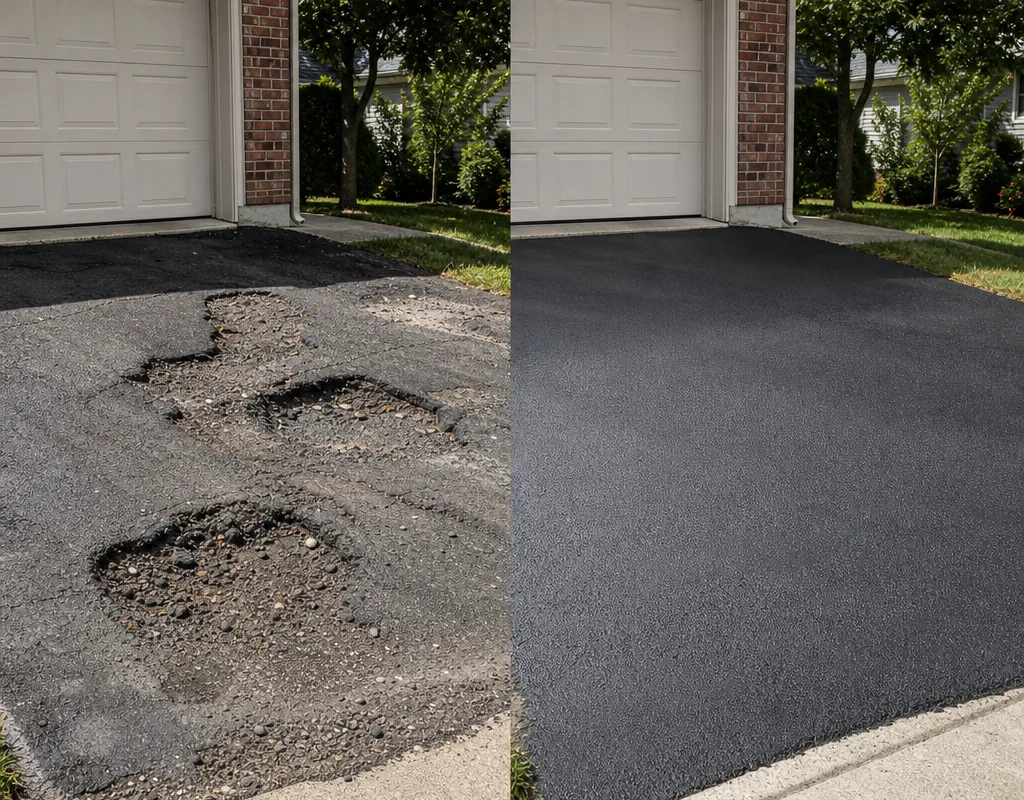
Cut-out and patch work for areas that are soft, crumbling, or sunken. Done right, the patch is properly shaped, placed in lifts when needed, and compacted for density so it resists early edge breakdown.
Serving Indianapolis, Indiana & surrounding areas
Mon–Fri 8am–6pm · Sat 9am–2pm
Fix cracks, potholes, and failing asphalt before they spread. Get a clear repair plan, solid patch work, and surface protection that holds up to Indianapolis freeze-thaw cycles and daily traffic.
Driveway repair is the practical middle ground between doing nothing and tearing everything out. If your asphalt is cracking, raveling, settling at the edges, or developing potholes, timely repairs can restore a smoother surface and slow down water intrusion.
For Indianapolis properties, water is the real enemy. When it gets into cracks and weak spots, freeze-thaw cycles can widen damage fast. A proper driveway repair in Indianapolis starts with identifying why the failure happened—age, poor drainage, heavy loads, weak base, or prior patches that did not bond—then choosing a repair method that matches the problem.
Sealcoating Indianapolis handles asphalt and blacktop repairs for homeowners and commercial properties across the metro. If you are looking for longer-term surface protection after repairs, asphalt sealing in Indianapolis is often the next step once patches have cured and the surface is stable.
Cut-out and patch work for areas that are soft, crumbling, or sunken. Done right, the patch is properly shaped, placed in lifts when needed, and compacted for density so it resists early edge breakdown.
Potholes usually mean the asphalt has already lost support underneath. We remove failed material, address the base as needed, then install hot or cold mix patching depending on access, weather, and scope.
Cracks let water into the pavement structure. Sealing appropriate cracks reduces infiltration and helps keep small problems from turning into patches later.
Driveway edges fail when water softens the base or vehicles run off the sides. Edge repairs stabilize the transition and reduce ongoing crumbling.
We repair high-wear areas like entrances, turning lanes, dumpster pads, and loading zones where braking and turning tear up asphalt. Repairs can be phased to keep access open.
A maintenance approach combines targeted repairs with surface protection at the right time, helping you avoid repeating the same patches season after season.
A lot of pavement repair in Indianapolis comes down to water management and compaction.
Freeze-thaw swings can turn a hairline crack into a split seam, especially in shaded areas that stay wet longer. Snow and ice control products can also accelerate surface wear on older asphalt. On busy residential streets and commercial drives, turning tires and heavy delivery vehicles push weak spots into depressions, then potholes.
We look for the root cause before we quote repairs. If the base is pumping—moving and pushing water up—the fix is different than a simple surface crack. If downspouts or grading send water onto the driveway, we flag it so the repair lasts.
You will see this play out in different parts of the city. In Broad Ripple, frequent stop-and-go traffic and tight turning areas can chew up edges and entrances. In Fountain Square, older properties sometimes have mixed pavement sections where prior patches and older asphalt meet, which can open up seams. In Nora and other northside neighborhoods, shaded drives and tree cover can keep pavement damp longer after rain, which speeds up crack growth if it is not sealed.
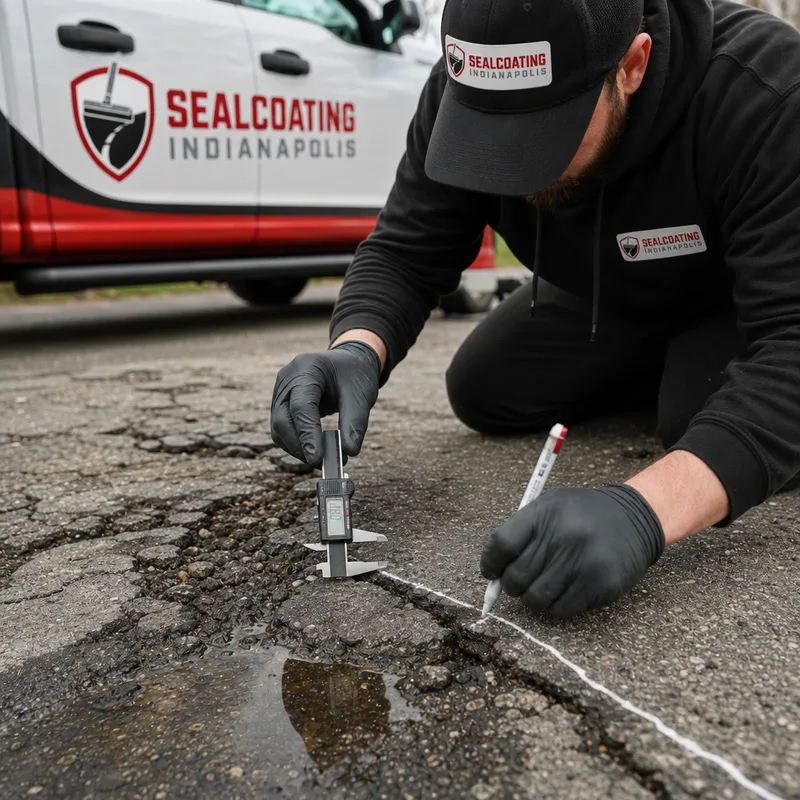
We walk the driveway or lot, note distress types—cracking, raveling, potholes, and settlement—and check water flow, edges, and transitions to concrete or garage aprons. You get a clear scope that matches what the surface actually needs.
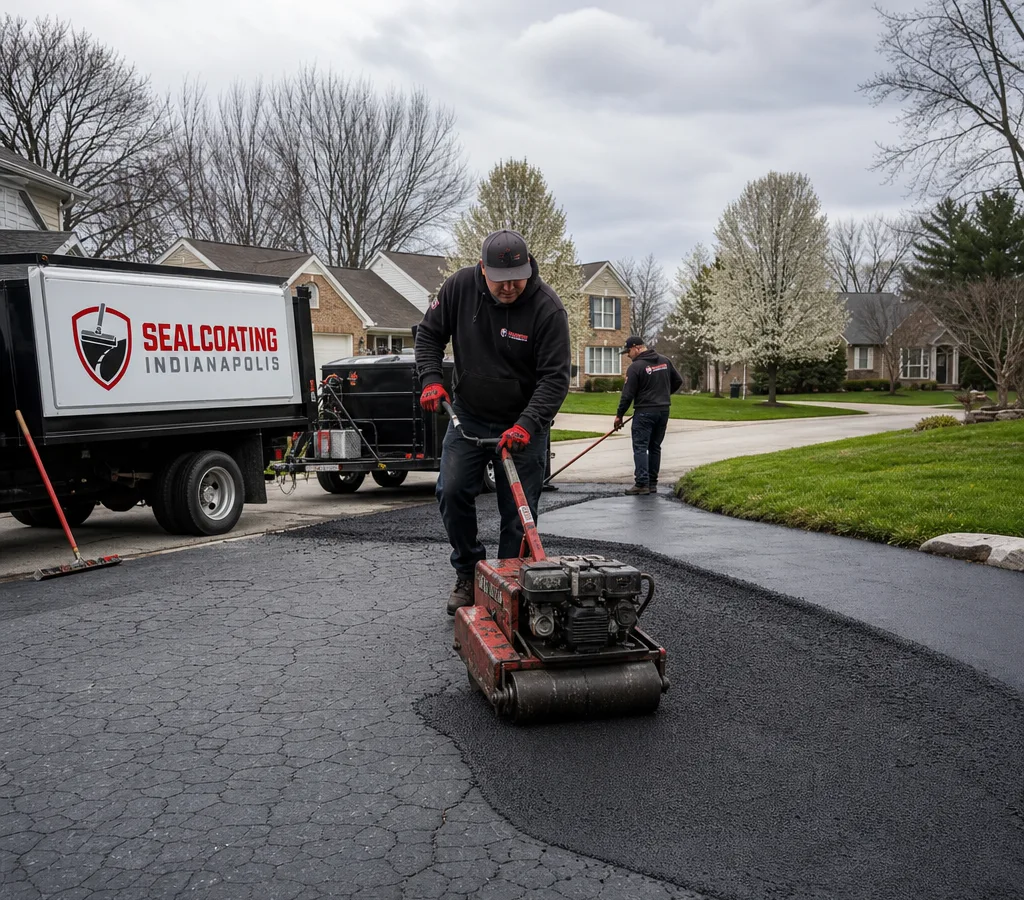
Good repairs start with clean, stable edges. We remove loose material, square up failed areas when appropriate, and prepare the surface so patch material can adhere and compact properly.
We place patch material to match the depth of the failure, compact for density, and shape the surface for drainage. For pothole repair, we focus on rebuilding support, not just filling a hole.
After repairs, we advise on timing for sealcoating and ongoing asphalt maintenance so you do not keep chasing the same weak spots. If the surface is beyond repair in key areas, we explain options so you can make a cost-smart decision.
Driveway repair in Indianapolis typically ranges from about $250 to $1,500 for small to mid-size patching and crack repair, while larger cut-out areas or multiple potholes often run $1,500 to $6,000+. Pricing depends on how much asphalt is actually failed, patch depth, whether the base needs rebuilding, access for equipment, and how much prep is required to get clean, square edges. The exact cost is confirmed after an on-site inspection so the scope matches the pavement condition you have today.
Book Your Free InspectionRepairs are most cost-effective when they are part of a plan. If you patch a pothole but ignore the cracks feeding water into that area, you will likely be back in the same spot.
A practical pavement maintenance approach usually includes:
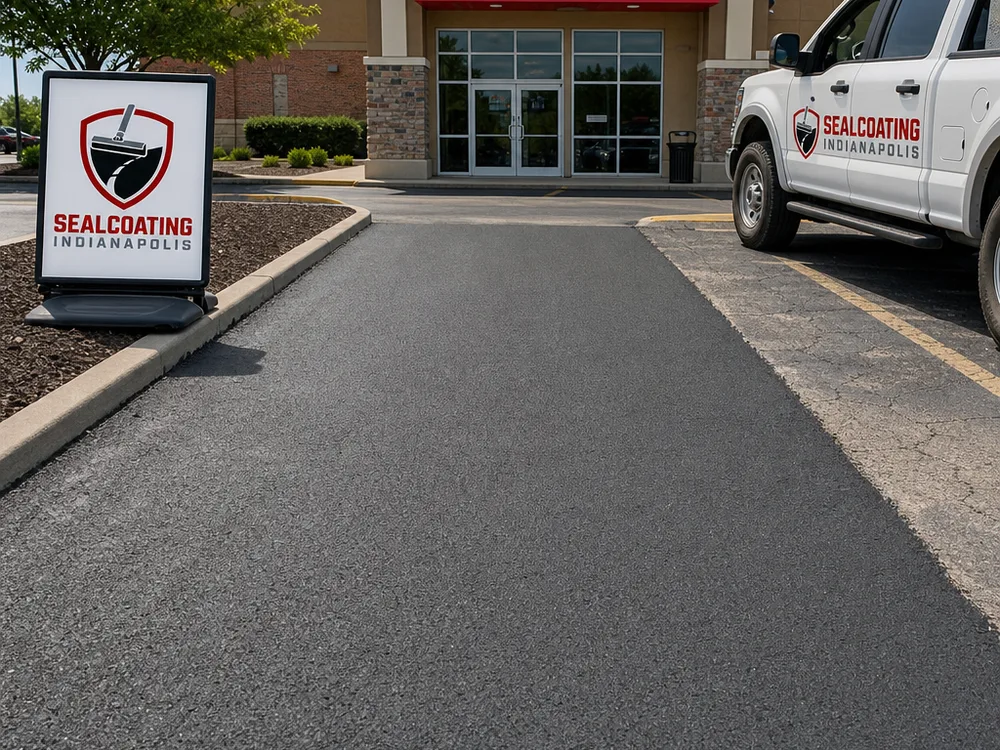
For commercial properties, pavement maintenance is also about reducing trip hazards and keeping traffic moving. If you manage a storefront lot, small pothole repair and patching at entrances can reduce complaints and keep snowplow damage from getting worse.
If you are comparing providers, ask how they plan to prep patches, how they confirm repair depth, and how they handle compaction. Those details often decide whether an asphalt repair looks good for a season or stays solid longer.
Tell us what you're seeing—cracks, potholes, edge breakup, or settling. We'll inspect the asphalt, explain the repair options in plain terms, and provide a written scope that fits your property in Indianapolis.