
Base and subgrade first
Asphalt is only as strong as what supports it. We focus on proper excavation (when needed), stable aggregate base, and compaction so the mat is not trying to bridge soft spots.
Serving Indianapolis, Indiana & surrounding areas
Mon–Fri 8am–6pm · Sat 9am–2pm
Get a clean, well-draining surface built for Indiana freeze-thaw swings, heavy rain, and daily traffic. We handle the planning, prep, and paving so your driveway or lot performs the way it should.
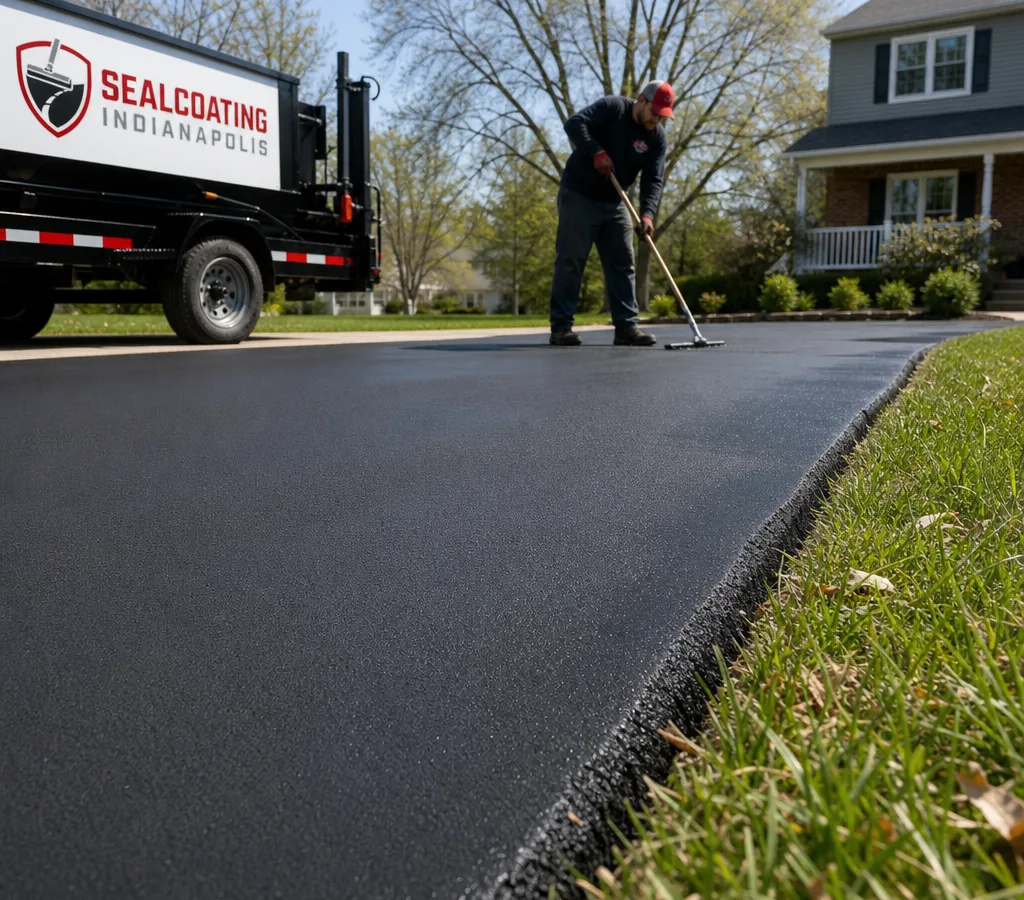
If you are searching for asphalt paving Indianapolis property owners can count on, you are usually looking for two things: a surface that looks right on day one and a base that holds up for years. The finish you see comes from what is underneath. A good paving job starts with grading, drainage, and compaction, then placing the right asphalt mix at the right thickness and rolling it to a tight, even density.
Sealcoating Indianapolis provides Indianapolis asphalt paving for residential and commercial properties across the city, including driveway paving Indianapolis homeowners need when concrete is cracked, gravel is messy, or an old asphalt drive has reached the end of its life. We also work with property managers who need dependable paving in Indianapolis for lots and lanes where potholes, standing water, and edge failure become recurring problems.
Indianapolis gets real weather. Freeze-thaw cycles, spring downpours, and hot summer days all stress pavement. Our approach is straightforward: build the foundation, manage water, and pave in a way that matches how the surface will actually be used.
Asphalt is only as strong as what supports it. We focus on proper excavation (when needed), stable aggregate base, and compaction so the mat is not trying to bridge soft spots.
Water is the fastest way to ruin pavement. We grade for positive drainage and address low areas so runoff moves away instead of sitting on the asphalt.
A residential driveway and a light commercial drive lane do not take the same punishment. We match pavement thickness and build-up to traffic, turning movements, and load points.
Apron tie-ins, garage approaches, and edge lines affect both performance and appearance. We shape transitions so snow shovels, mowers, and vehicles do not chew up the perimeter.
You should know what prep is included, where the paving limits are, and what gets repaired versus replaced. We provide a clear scope so you can compare quotes fairly.
Good Indianapolis asphalt work is repeatable when you treat it like a system.
Planning and layout: We confirm where water currently goes, how vehicles enter and turn, and what you want the finished edges to look like. For driveway paving in Indianapolis, this is where we solve common issues like tires dropping off broken edges or water collecting near the garage.
Removal and base work (as needed): For replacements, we remove failed asphalt and correct soft subgrade before rebuilding with compacted stone base. For overlays, we evaluate whether cracks, rutting, or base movement mean the surface needs more than a new lift.
Paving day: Hot mix asphalt is placed and spread to grade, then compacted with rollers while the material is in the proper temperature window. Compaction is what delivers strength. We finish details like handwork at edges, clean transitions, and controlled joints.
Curing and use: Asphalt can often be used sooner than concrete, but it still needs time to cool and gain stability. We give practical guidance for parking and turning so you do not scuff the new surface.
For owners who also want to keep new pavement protected long term, many schedule asphalt sealing in Indianapolis after the surface has had time to cure, since sealer is a maintenance layer and not a substitute for proper paving.
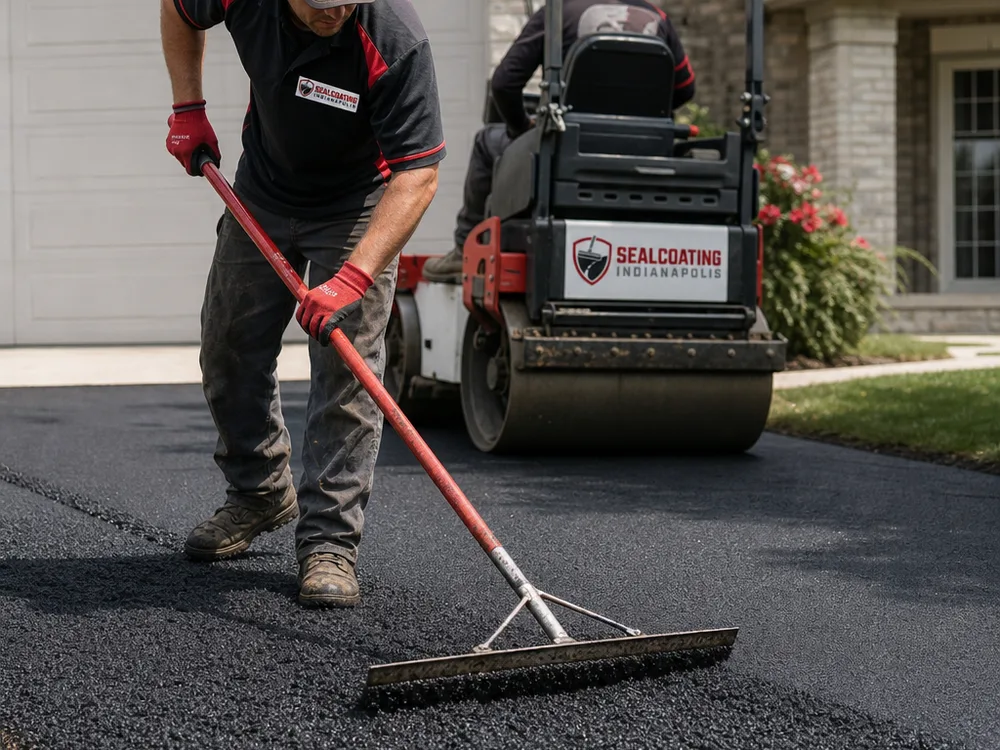
We measure the area, check access for trucks and equipment, and look for signs of base failure, poor drainage, or edge breakdown that will affect the plan.
You get a written scope that spells out prep, thickness, grading, and any repairs. If the site can be handled by overlay versus full replacement, we explain the tradeoffs.
We schedule around weather and material availability, then handle removals, regrading, and base compaction. If you have tight access or shared drives, we coordinate so you can plan vehicle movement.
We place hot mix asphalt, set proper grades, and compact for density. We detail edges, apron transitions, and drainage paths so water does not sit on the new mat.
We confirm the paving limits, check transitions, and give care guidance for the first days, including when to park, how to avoid scuffing, and what to watch for in the first hard rain.
Most asphalt paving projects in Indianapolis typically range from about $3,500 to $12,000+, with many standard residential driveways landing around $5,000 to $9,000 depending on size and prep. Smaller patch-and-pave areas may be $800 to $2,500, while larger lots and private lanes price by square footage and thickness.
Your final price depends on excavation and haul-off, base rebuilding, asphalt thickness, access for equipment, drainage corrections, and whether you are resurfacing or doing a full replacement. The exact cost is confirmed after an on-site measurement and condition check.
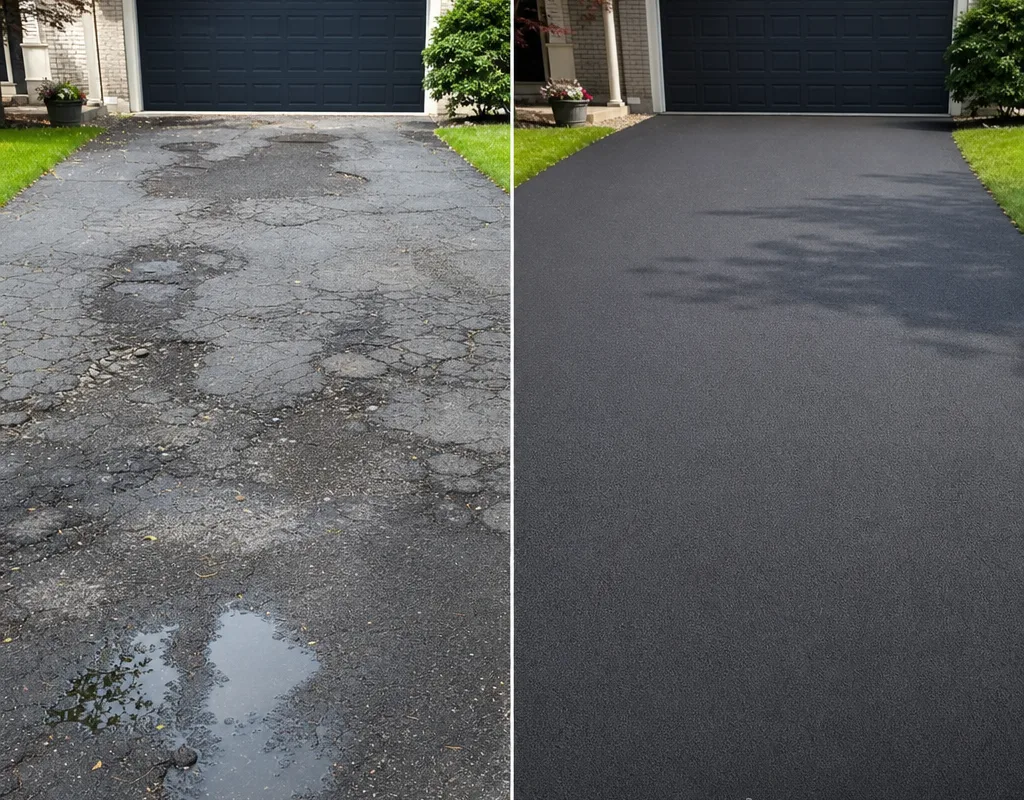
“We had standing water at the end of the drive and edges that kept breaking off. The new asphalt was graded so it finally drains, and the apron at the street looks clean instead of patched together.
“They explained why an overlay would not fix our soft spots and rebuilt the base in those areas. The driveway feels solid and the finish is smooth with no roller lines.”
“Our small lot needed to stay usable, so scheduling mattered. The crew kept the area organized and we understood exactly when we could drive on it again.”
Tell us what you are paving, what problems you are seeing now (cracks, soft spots, drainage), and when you want it done. We will provide a written scope and a practical plan for your Indianapolis asphalt project.